Basement & Crawl Space Systems in Flying Hills
Control Systems
Reinforcement
Excavation
Flying Hills, PA Moisture Eradication
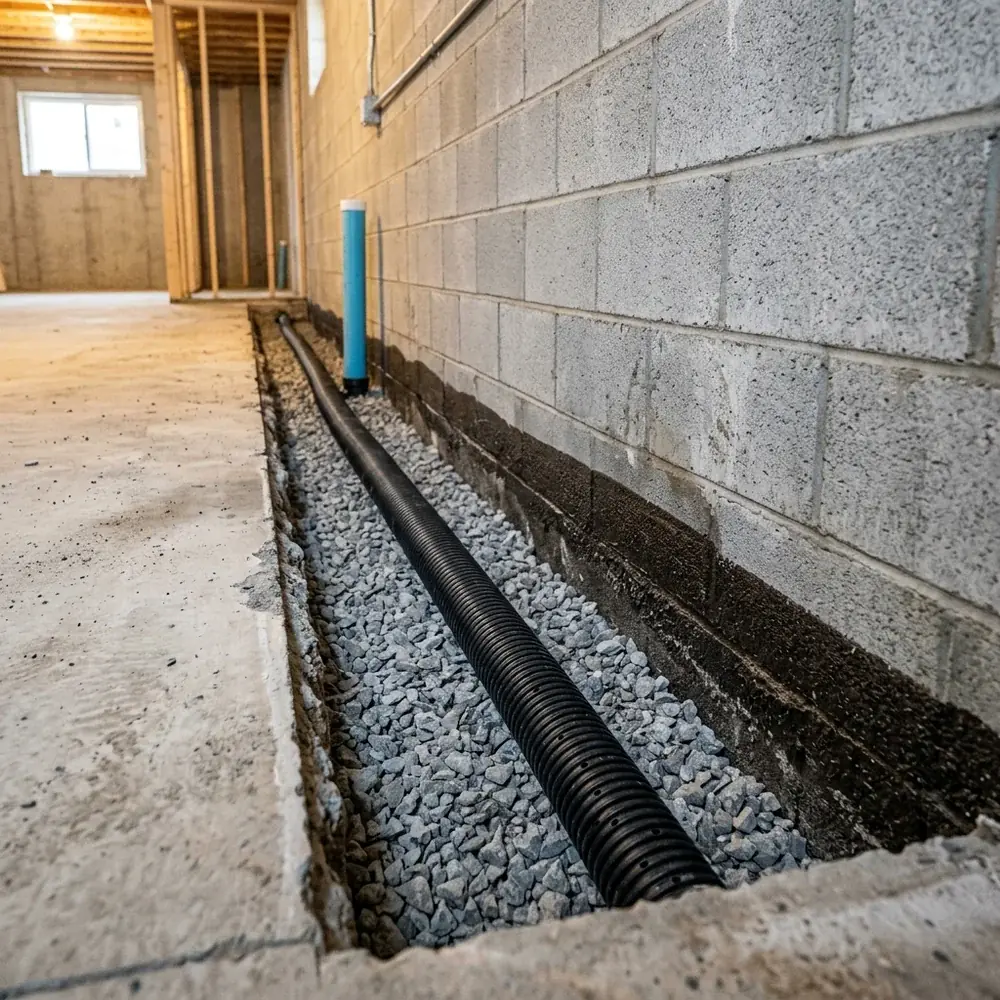
The crew begins by jackhammering the perimeter floor to access the underlying footing. Gravel and slotted PVC pipes are laid down to catch incoming seepage before it reaches the surface. The trench is then re-concreted seamlessly, leaving a clean, dry floor that protects your property value.
The specific soil density and water table levels in Flying Hills make structures highly vulnerable to bowing walls and moisture intrusion. Securing the perimeter prevents catastrophic structural settling.
Properties located in Berks County and Flying Hills demand resilient moisture barriers that can handle substantial seasonal rainfalls without buckling.
Ground Moisture
Sealing lower levels against capillary action and high humidity.
Bowing Masonry
Restoring stability with carbon fiber straps before collapse.
Heavy-Duty Drainage in Flying Hills
Standing water under floorboards isn't just a seasonal nuisance; it creates a breeding ground for toxic mold and rapid wood rot. Heavy rains raise the water table, forcefully pushing moisture through microscopic pores in aging concrete walls. Stopgap measures like waterproof paints simply trap the moisture inside the blocks, leading to faster deterioration.
Relieving that immense pressure involves excavating down to the exterior footings or cutting an interior perimeter trench. Applying rubberized coatings on the outside stops the moisture before it ever touches your brick or block walls. Sump pumps then actively eject the collected runoff safely away from the property line.
Covering Zip Codes in Flying Hills
Answers About Foundation Issues in Flying Hills, PA
Surface runoff must be redirected before it pools against the side of your home and sinks into the backfill dirt. Trenching a French drain system captures this excess water in a gravel-filtered pipe and channels it away. Regrading the topsoil so it slopes away from the siding also drastically reduces the volume of water seeping downward.
Costs depend heavily on the total linear footage of the perimeter and the thickness of your existing concrete slab. Excavating the trench requires jackhammering the floor, removing debris, and laying perforated PVC piping. Because soil conditions vary, an on-site inspection is necessary to calculate the exact labor required. Reach out to 717-402-9081 to arrange a detailed measurement of your footprint.
Injecting epoxy into a visible fissure only acts as a temporary bandage against incoming water. Hydrostatic pressure will simply find the next weakest point in the mortar joints and push through there instead. Permanent solutions require digging down to the footing to apply a rubberized membrane, physically blocking moisture from ever touching the exterior masonry.
Efflorescence forms when groundwater dissolves minerals inside the masonry and carries them to the surface. As the moisture evaporates into your basement, it leaves those crystalline salt deposits behind. This is a clear indicator that exterior water is actively penetrating the structure. Addressing it early prevents the blocks from deteriorating and losing their load-bearing strength over time.
Expanding clay soils absorb rainfall and push laterally against subterranean walls with thousands of pounds of force. Left unchecked, the mortar joints will shear, leading to a catastrophic structural collapse of the home above. Bracing the walls with carbon fiber straps permanently halts the inward movement and restores stability to the structure.
Dry Basements in Flying Hills
"Selling the property required fixing the efflorescence and damp masonry first. The technicians dug down to the footings outside and applied a thick rubberized membrane. It passed the buyer's home inspection without a single issue."
"Noticing vertical cracks expanding along the block walls had me terrified about the structural integrity. They applied carbon fiber straps and injected the fissures with high-strength epoxy. The peace of mind knowing the house is stable again is incredible."
"Black mold started growing on the drywall near the floorboards because of hydrostatic pressure pushing through the concrete. The interior trenching relieved the water buildup perfectly. They left the workspace immaculate after finishing the concrete patch."
Moisture Destroying Your Home in Flying Hills?
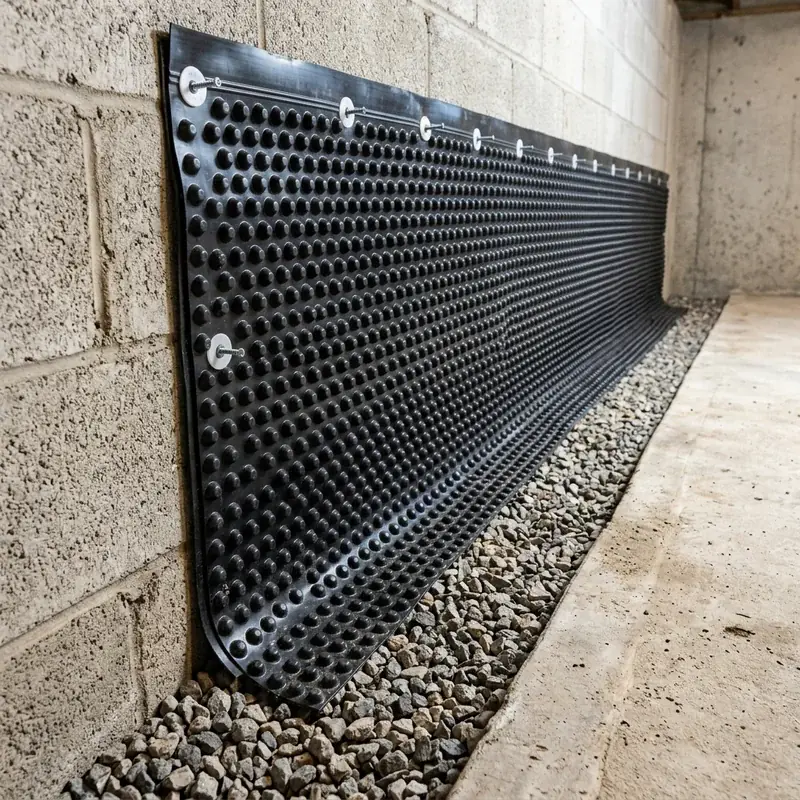
Drainage excavation and heavy-duty vapor barriers stop the damage permanently.
Call 717-402-9081 Now