Basement & Crawl Space Systems in Plymouth
Control Systems
Reinforcement
Excavation
Plymouth, PA Moisture Eradication
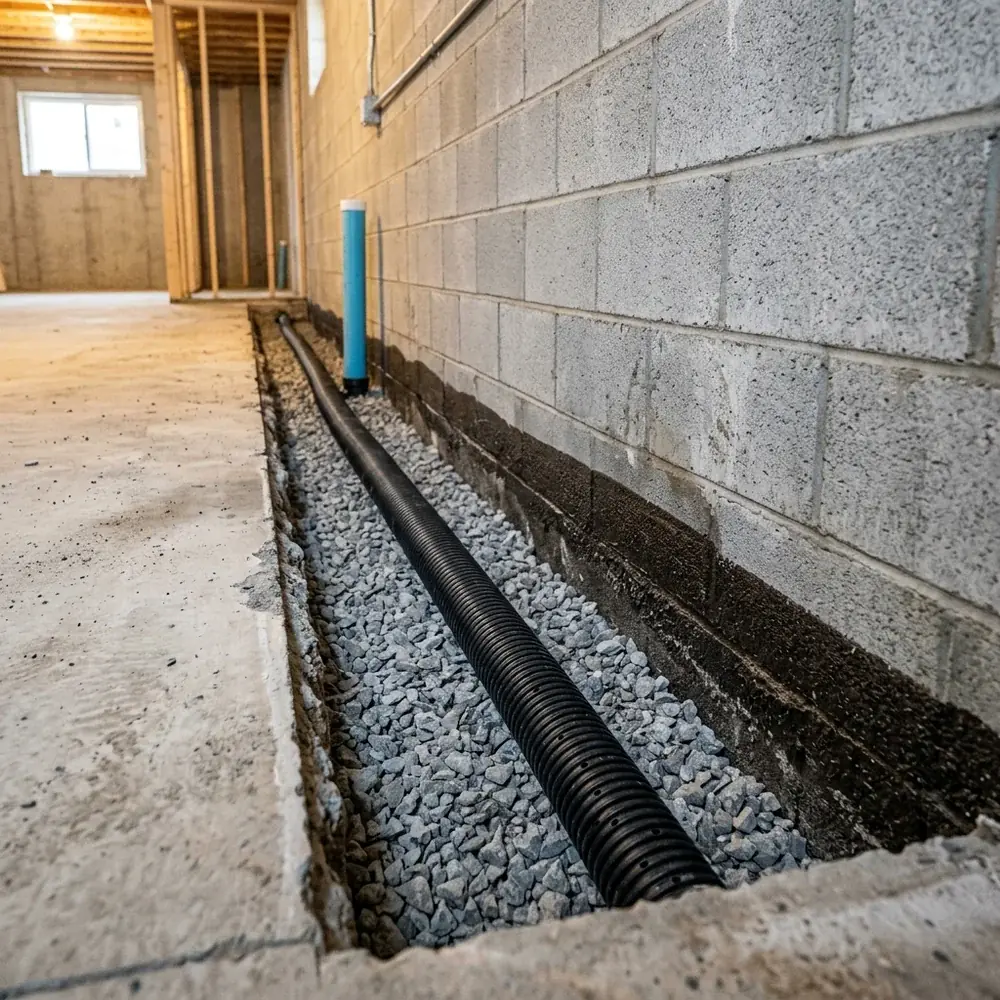
The crew begins by jackhammering the perimeter floor to access the underlying footing. Gravel and slotted PVC pipes are laid down to catch incoming seepage before it reaches the surface. The trench is then re-concreted seamlessly, leaving a clean, dry floor that protects your property value.
The specific soil density and water table levels in Plymouth make structures highly vulnerable to bowing walls and moisture intrusion. Securing the perimeter prevents catastrophic structural settling.
Properties located in Luzerne County and Plymouth demand resilient moisture barriers that can handle substantial seasonal rainfalls without buckling.
Ground Moisture
Sealing lower levels against capillary action and high humidity.
Bowing Masonry
Restoring stability with carbon fiber straps before collapse.
Heavy-Duty Drainage in Plymouth
Moisture intrusion slowly destroys the structural integrity of your home from the ground up. Ignoring white efflorescence, damp cinder blocks, or musty odors allows hydrostatic pressure to severely compromise the masonry. Fixing these root issues requires proper trenching, perforated interior drain tiles, and high-capacity ejection systems designed for the local soil conditions in Plymouth.
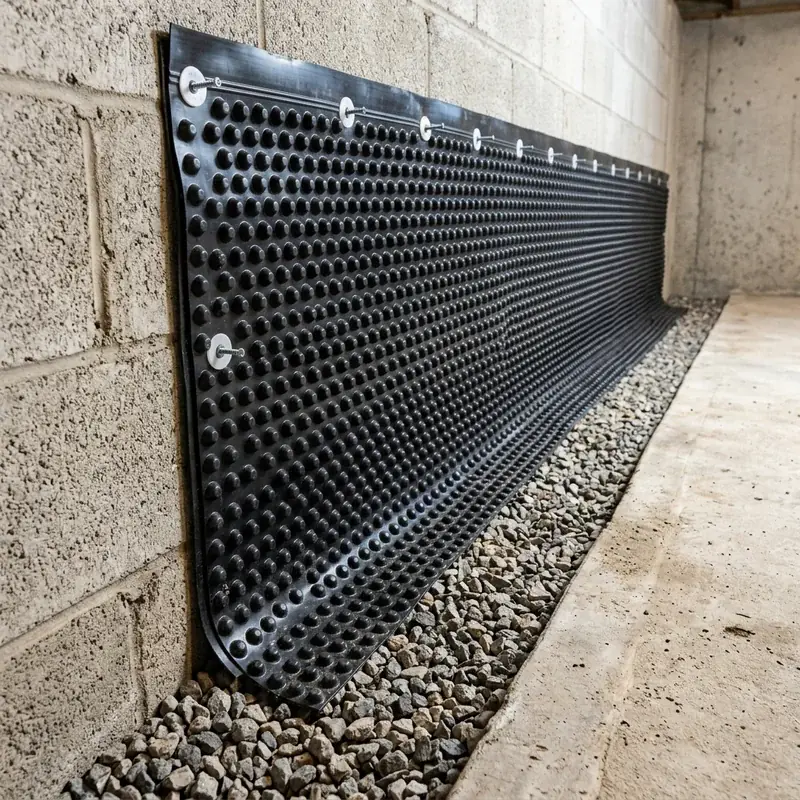
Evaluating the exterior grading and checking for subterranean settling determines the correct approach to stopping groundwater. Technicians must apply thick vapor barriers and commercial-grade sealants to permanently isolate the living space from the damp earth. Protecting your property value starts with maintaining a completely dry, stable foundation base.
Covering Zip Codes in Plymouth
Answers About Foundation Issues in Plymouth, PA
Severe thunderstorms frequently knock out neighborhood power grids at the exact moment you need water ejection the most. A reliable battery system runs the secondary pump for days without AC power, saving your finished lower level from thousands of dollars in water damage. Treating the backup system as an insurance policy against severe weather makes the upfront cost easily justifiable.
Clearing the perimeter of the basement is absolutely required because technicians need at least three feet of workspace away from the walls. Jackhammering the concrete floor creates substantial dust, so covering your electronics and remaining belongings with plastic drop cloths is highly recommended. The team will handle the heavy lifting for the actual concrete removal.
Upgrading to a high-capacity cast iron unit with a wider discharge pipe increases the gallons-per-minute ejection rate. Older models often rely on outdated float switches that stick or burn out under continuous load. Installing a dual-pump setup ensures that if the primary motor fails or gets overwhelmed, the secondary unit automatically engages to prevent flooding.
Surface runoff must be redirected before it pools against the side of your home and sinks into the backfill dirt. Trenching a French drain system captures this excess water in a gravel-filtered pipe and channels it away. Regrading the topsoil so it slopes away from the siding also drastically reduces the volume of water seeping downward.
Injecting epoxy into a visible fissure only acts as a temporary bandage against incoming water. Hydrostatic pressure will simply find the next weakest point in the mortar joints and push through there instead. Permanent solutions require digging down to the footing to apply a rubberized membrane, physically blocking moisture from ever touching the exterior masonry.
Dry Basements in Plymouth
"Noticing vertical cracks expanding along the block walls had me terrified about the structural integrity. They applied carbon fiber straps and injected the fissures with high-strength epoxy. The peace of mind knowing the house is stable again is incredible."
"Selling the property required fixing the efflorescence and damp masonry first. The technicians dug down to the footings outside and applied a thick rubberized membrane. It passed the buyer's home inspection without a single issue."
"Black mold started growing on the drywall near the floorboards because of hydrostatic pressure pushing through the concrete. The interior trenching relieved the water buildup perfectly. They left the workspace immaculate after finishing the concrete patch."
Moisture Destroying Your Home in Plymouth?
Drainage excavation and heavy-duty vapor barriers stop the damage permanently.
Call 717-402-9081 Now